Why cats get bored, and what to do about it
Published: · 2 min read
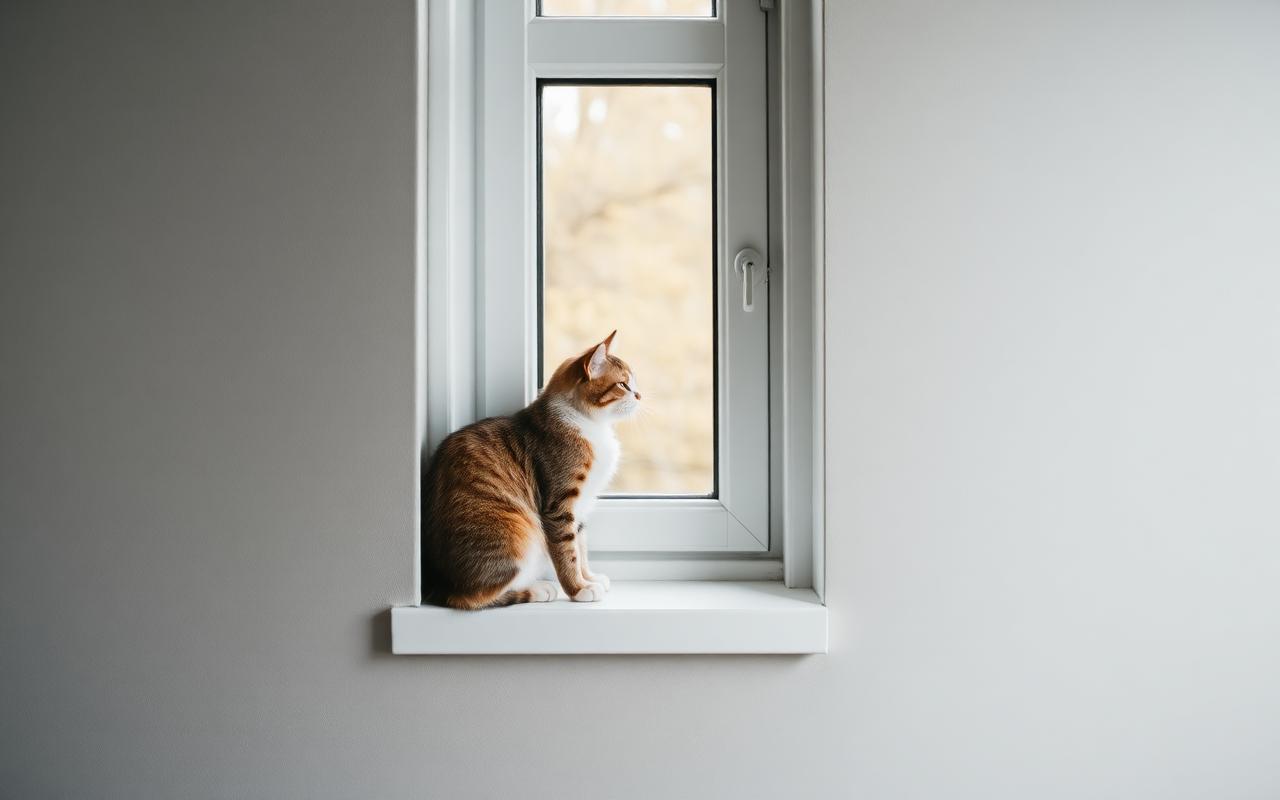
The dawn sprint, the curtain climb and the ambush on your foot are usually not misbehaviour but unspent energy.
Plenty of owners say their cat goes wild at night: a sprint down the hallway, a climb up the curtains, then an ambush on a foot under the duvet at four in the morning. This behaviour is rarely a character flaw. Far more often the cat simply did not get enough stimulation during the day.
The hunting cycle
A cat's hunting cycle has four stages: search, stalk, catch and consume. If any of them is missing, tension remains. That is why ending play with a genuine catch, followed straight away by a treat or the evening meal, works so well.
A laser dot is problematic for exactly this reason: it can never be caught. If you use one, finish by letting the dot run onto a plush mouse so there is real prey at the end.
Two short play sessions a day
This does not take hours. Two sessions of ten to twelve minutes with a wand toy make a noticeable difference for most adult cats. Vary the rhythm: a few quick movements, then a pause so the cat can stalk.
Vertical space
For a cat, a home is measured in levels rather than floor area. A run of shelves, a window perch or a tall scratching post adds more usable territory than a bigger room would. A high spot also serves as a refuge when visitors arrive.
Feeding as an activity
A portion that disappears from the bowl in two minutes provides no occupation. A treat maze, a simple foraging mat or a few pieces of food hidden around the flat will hold a cat's attention for minutes, and searching is calming in itself.
When play is not enough
If a cat suddenly starts toileting outside the tray, over-grooms to the point of bald patches, or becomes unusually aggressive, boredom is not the issue. Start with the vet, because pain and several internal conditions first show up as a change in behaviour.
Guarding against boredom is not a single purchase. A few small changes to the routine and the layout of the home usually achieve more than the most expensive interactive toy.
From the journal
A puppy's first weeks at home
The first two or three weeks decide which habits stick. A predictable routine is worth more than any piece of equipment.Coat care through the seasons
The same brush does not work in March and in November. Knowing the seasonal rhythm means less work and less hair on the sofa.Tummy time: when, how much, how
Many babies protest against tummy time. Small changes to position and timing usually help more than persistence does.