Coat care through the seasons
Published: · 2 min read
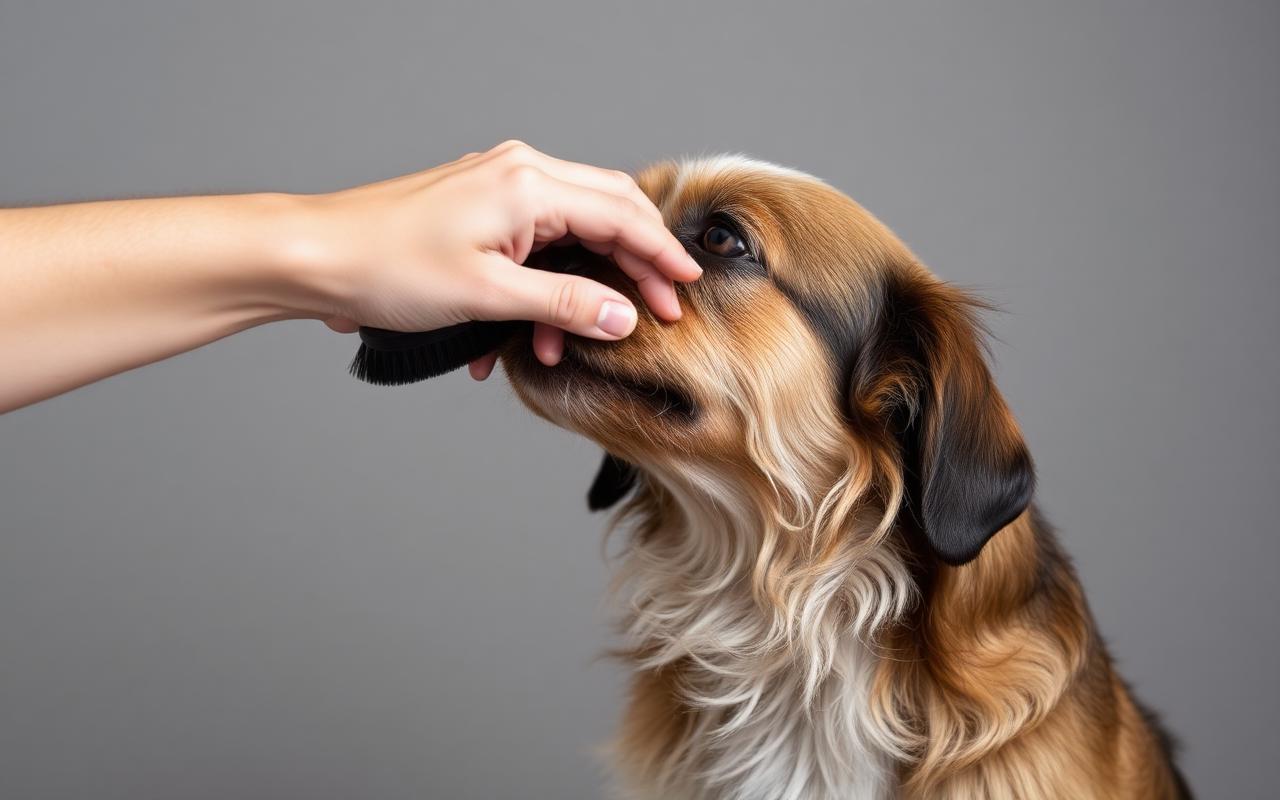
The same brush does not work in March and in November. Knowing the seasonal rhythm means less work and less hair on the sofa.
Grooming is not a cosmetic matter. Regular brushing spreads the skin's natural oils, lifts out shed undercoat, and gives you a weekly chance to run your hands over the whole animal and notice new lumps or ticks.
Spring: the big moult
From March to May, double-coated breeds shed their winter undercoat. Brushing once a week will not be enough. An undercoat rake used three times a week prevents the loose hair from felting into mats.
If a mat does form, do not cut it out with scissors close to the skin. The skin sits far closer to the base of the mat than most people expect, and this is exactly how most grooming cuts happen.
Summer: fewer baths, more checks
Summer bathing is tempting, but frequent shampooing strips the skin's protective layer. For most dogs one bath a month is plenty, unless they have rolled in something unpleasant. Daily checks matter more: ticks, burrs, grazed paw pads.
Clipping is not always a good idea either. On double-coated breeds the top coat shades and cools, and after a close clip it often grows back unevenly.
Autumn: building the winter coat
September and October bring another moult, this time in reverse. The same regularity works as in spring. It is also a good moment to check your tools: a brush with bent pins scratches the skin, and a blunt clipper crushes the nail instead of cutting it.
Winter: dry air and salted pavements
The dry air of a heated flat dries out skin too. If you see flaking, bathe less often and switch to a fragrance-free oatmeal shampoo. After walks, rinse the paw pads with lukewarm water, because road salt burns the skin between them.
Worth writing down
Keep a simple rhythm: brushing twice a week, nails every three weeks, teeth twice a week, a full body check once a month. Written down it is far easier to keep to than held in your head, and it helps at the vet to know when you first noticed something.
From the journal
A puppy's first weeks at home
The first two or three weeks decide which habits stick. A predictable routine is worth more than any piece of equipment.Why cats get bored, and what to do about it
The dawn sprint, the curtain climb and the ambush on your foot are usually not misbehaviour but unspent energy.Tummy time: when, how much, how
Many babies protest against tummy time. Small changes to position and timing usually help more than persistence does.